

Exploring Innovative Teaching Methods in Nagpur's Primary Schools: A Look at Creative Learning Approaches
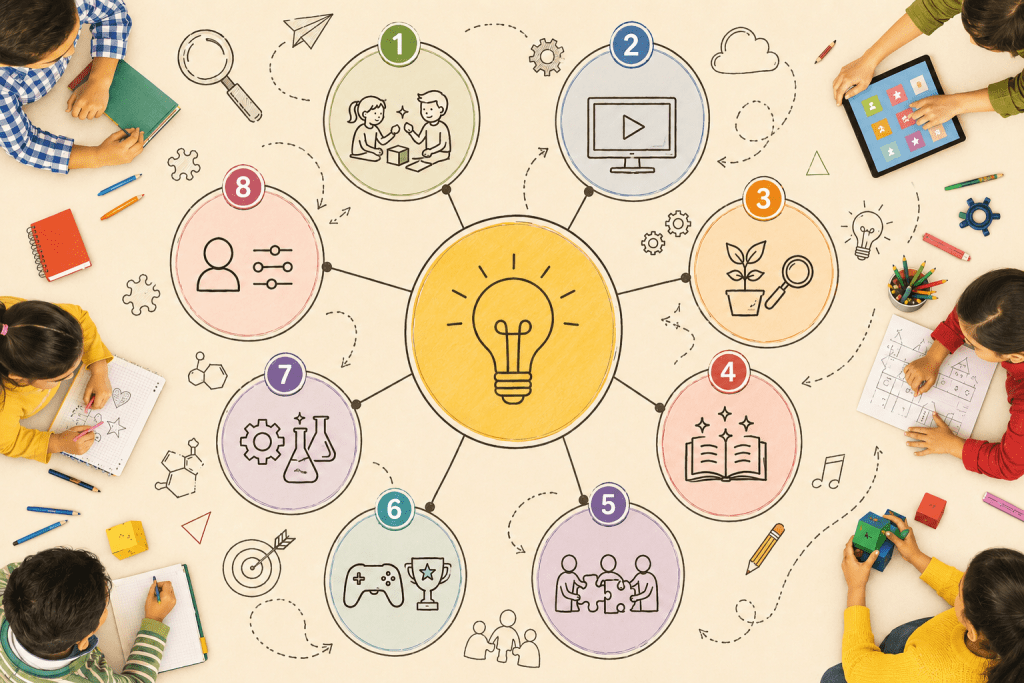
Education today is evolving beyond textbooks and traditional classroom instruction. Primary schools are embracing innovative teaching methods that encourage curiosity, creativity, collaboration, and critical thinking. Instead of focusing only on memorisation, modern learning approaches help children understand concepts through practical experiences, interactive activities, and real-world applications. At Priyadarshini School of Kalpana, learning is designed to inspire students to explore, question, and create. The school believes that every child learns differently, and by combining innovative teaching strategies with a nurturing environment, students develop academic excellence alongside confidence, communication skills, and problem- solving abilities. These creative learning approaches prepare young learners not only for examinations but also for lifelong success.
Creating Engaging Classrooms Through Activity-Based Learning
Children learn best when they actively participate in the learning process rather than simply listening to classroom lectures. Activity-based learning transforms lessons into engaging experiences through educational games, role-playing, science experiments, art projects, quizzes, group discussions, and hands-on classroom exercises.
At Priyadarshini School of Kalpana, teachers encourage students to participate in classroom activities that make complex concepts easier to understand. Instead of memorising facts, students experience learning through practical tasks that improve observation, analytical thinking, creativity, and communication skills. This approach increases classroom engagement, builds confidence, and develops a genuine interest in learning from an early age.
Transforming Education with Interactive Smart Classrooms
Modern education has embraced digital resources that make learning more interactive and engaging. Smart classrooms integrate digital boards, multimedia presentations, educational videos, animations, interactive assessments, and visual learning tools into everyday teaching.
At Priyadarshini School of Kalpana, smart classrooms help teachers explain difficult concepts using visual demonstrations that improve understanding and retention. Students actively participate through interactive lessons instead of passive listening. Digital learning resources make classroom sessions more engaging while encouraging curiosity and improving concept clarity across subjects.
Helping Students Learn Through Real-Life Experiences
Experiential learning focuses on learning through direct experiences rather than theoretical explanations alone. Students gain knowledge by participating in practical activities, educational excursions, laboratory experiments, field visits, nature observations, and community-based projects.
At Priyadarshini School of Kalpana, experiential learning allows students to connect classroom lessons with real-life situations. Whether observing scientific concepts through experiments or understanding environmental awareness during outdoor activities, students develop deeper conceptual understanding. This approach strengthens critical thinking, decision-making abilities, and problem-solving skills while making education meaningful and memorable.
Inspiring Young Minds with Storytelling and Creative Expression
Stories have always been one of the most powerful ways to teach children. Storytelling encourages imagination, emotional intelligence, communication skills, language development, and creativity. Along with storytelling, creative expression through art, drama, music, poetry, public speaking, and creative writing helps children develop confidence and self-expression.
At Priyadarshini School of Kalpana, teachers use storytelling to simplify complex topics while encouraging students to express their own ideas creatively. Activities such as role-play, theatre performances, classroom presentations, and creative writing sessions help children improve vocabulary, public speaking, confidence, and emotional understanding while making learning enjoyable.
Building Teamwork Through Collaborative Learning Experiences
Collaborative learning encourages students to work together, exchange ideas, solve problems collectively, and learn from one another. Rather than focusing solely on individual achievement, students participate in group discussions, peer-learning activities, classroom projects, brainstorming sessions, and cooperative assignments. This interactive approach helps children build confidence while developing strong communication and teamwork skills.
At Priyadarshini School of Kalpana, collaborative learning is an essential part of the classroom experience. Students learn to respect diverse perspectives, take responsibility within a team, and contribute meaningfully toward shared goals. These experiences prepare them for future academic environments and professional settings where collaboration is an invaluable skill. As a primary school in Nagpur, the school creates an environment where teamwork, leadership, and mutual respect become part of every student’s learning journey.
Building Future Innovators Through STEM-Based Learning
STEM education combines Science, Technology, Engineering, and Mathematics to help students develop innovation, logical reasoning, and analytical thinking. Instead of studying these subjects in isolation, students discover how they work together to solve practical, real-world challenges through engaging activities and hands-on experiences.
At Priyadarshini School of Kalpana, STEM-based learning includes scientific experiments, mathematics activities, engineering models, coding exposure, logical reasoning exercises, robotics, and creative problem-solving projects. These activities encourage curiosity, innovation, and computational thinking while helping students understand how classroom knowledge applies beyond school. This future-focused approach is one of the reasons many parents consider it among the best schools in Nagpur, preparing young learners with skills that will remain valuable throughout their academic and professional lives.
Supporting Every Child with Personalized Learning Approaches
Every child possesses unique strengths, interests, learning styles, and academic abilities. Personalized learning recognises these individual differences by allowing teachers to adapt instructional methods, classroom support, and learning experiences according to each student’s needs. This approach ensures that every learner progresses at a comfortable pace while receiving the encouragement needed to achieve their full potential.
At Priyadarshini School of Kalpana, teachers closely monitor each student’s progress and provide personalised guidance that supports both academic excellence and overall personality development. Students receive additional support where required and are challenged according to their capabilities, helping them become confident, independent learners. This child-centred philosophy reflects the commitment expected from the best school in Nagpur, where every learner is encouraged to grow academically, socially, and emotionally.
Encouraging Critical Thinking Through Project-Based Learning
Project-based learning enables students to explore topics in greater depth through practical, real-world projects that involve research, planning, creativity, teamwork, and presentations. Instead of simply memorising textbook content, students investigate questions, analyse information, create solutions, and present their ideas through engaging classroom activities.
At Priyadarshini School of Kalpana, project-based learning encourages students to apply classroom concepts to real-life situations, making education more meaningful and memorable. Through individual and group projects, students strengthen research abilities, communication skills, creativity, collaboration, leadership, and critical thinking. This experiential approach nurtures independent learners who confidently solve challenges and think innovatively. Such practical learning methods distinguish the school among the top schools in Nagpur, where education extends far beyond traditional classroom instruction.
Frequently Asked Questions About Innovative Teaching Methods
1. What are innovative teaching methods in primary schools?
Innovative teaching methods include activity-based learning, smart classrooms, experiential learning, storytelling, collaborative learning, STEM education, personalised learning, and project-based learning. These approaches make learning more engaging, practical, and student-centred.
2. How does activity-based learning benefit primary school students?
Activity-based learning helps students understand concepts through hands-on activities, games, experiments, and classroom participation. It improves creativity, critical thinking, communication, and problem-solving skills while making learning enjoyable.
3. What is STEM-based learning, and why is it important?
STEM-based learning integrates Science, Technology, Engineering, and Mathematics to encourage innovation, logical thinking, and real-world problem-solving. It helps students develop future-ready skills and builds a strong foundation for higher education.
4. Why is project-based learning important for children?
Project-based learning encourages students to research, collaborate, and apply classroom knowledge to real-life situations. It strengthens teamwork, creativity, communication, leadership, and analytical thinking while making learning more meaningful.
5. Why choose Priyadarshini School of Kalpana for primary education in Nagpur?
Priyadarshini School of Kalpana provides a nurturing learning environment where innovative teaching methods, smart classrooms, experiential learning, STEM education, and personalised attention work together to support every child’s academic, creative, and personal growth. The school’s holistic approach helps students develop confidence, curiosity, critical thinking, and essential life skills that prepare them for future success.
Conclusion
Innovative teaching methods help children develop creativity, confidence, critical thinking, and problem-solving skills alongside academic excellence. Through activity-based learning, smart classrooms, experiential learning, collaborative activities, STEM education, and project-based learning, students gain the knowledge and skills needed for lifelong success.
At Priyadarshini School of Kalpana, every child is encouraged to learn, explore, and grow in a supportive environment that nurtures overall development. With its commitment to modern education and holistic learning, the school continues to be recognised among the top schools in Nagpur, preparing students to become confident and future-ready learners.